ONXY VS CANVA◆MONYX VS MOISES◆GAANA VS SUNO◆TALK VS REPLIKA◆NEWERA VS CURSOR◆PI VS REPLIT AGENT◆2FA VS AUTHY◆LINKS VS LINKTREE◆DANCE CAT VS PAID VISUALIZERS◆ONXY VS CANVA◆MONYX VS MOISES◆GAANA VS SUNO◆TALK VS REPLIKA◆NEWERA VS CURSOR◆PI VS REPLIT AGENT◆2FA VS AUTHY◆LINKS VS LINKTREE◆DANCE CAT VS PAID VISUALIZERS◆
FIELD REPORT · EDITION 2026-10-21 · VERIFIED AGAINST LIVE SITES
Free Tools, Spec by Spec.
The 2026 comparison guide for people who hate installing things. 14 browser-first tools built by Naman Soni — put head-to-head against the paid incumbents they replace. Every price, feature and privacy claim on this page was pulled from the live sites, their sitemaps and their llms.txt files on 21 Oct 2026. No affiliate links, no sponsored rankings, no invented benchmarks.
14
Tools compared
11
Head-to-head battles
40+
Spec-sheet rows
0
Installs required
00
How This Comparison Was Built
Most "best free tools" listicles are written from press releases. This one wasn't. Before a single verdict was typed, every product below was visited through its public interfaces — the homepage, the /sitemap.xml, the /robots.txt, and where available the /llms.txt file (a machine-readable fact sheet sites publish for AI crawlers). If a claim couldn't be verified against one of those sources, it either isn't on this page or is explicitly marked as unverified.
The five scoring dimensions
Entry price — what it costs to complete one real task, not what it costs to sign up.
Friction — accounts, OTPs, installs, card details demanded before first use.
Privacy model — where the data is processed: your device, the server, or a third party.
Capability ceiling — what the free tier actually finishes, and where it genuinely stops.
Platform truth — runs in a browser tab, runs as a PWA, or demands a native install.
What "browser-first" means here
A browser-first tool opens in a tab and finishes the job there — no store download, no installer, no license key. Several of the fourteen go further and run the actual computation locally: Onyx edits photos 100% on-device, Dance Cat 3D does its beat analysis offline in Web Audio, and 2FA Authenticator can keep codes purely on your device. The comparison tables call out exactly where each tool draws that line.
■ Honesty box — read this before trusting any row
khata.namansoni.in is down at the time of writing. The Vercel deployment has been returning a 404 since 20 Oct 2026, so the Khata entry is written from its verified 18 Oct snapshot (title, description and feature list captured directly from the live app) and is flagged as such in its battle. Check the URL yourself before relying on it.
Credit amounts are deliberately never quoted. LND AI's daily credit refresh is real and resets at midnight IST, but exact numbers are configurable and change — so this guide says "generous daily credits," full stop. Gaana Banana's per-song prices (₹28 / ₹45 / ₹175) are printed on its own pricing page and are quoted as listed on 21 Oct 2026.
The Gojo Satoru companion is fan-inspired and unofficial — not affiliated with Shueisha, Gege Akutami or MAPPA. Incumbent prices (Canva, Suno, Replika, Cursor, Linktree and friends) are their publicly listed entry prices as of writing; verify on their sites before buying.
01
The Master Matrix — All 14 Tools, One Table
The whole ecosystem in a single grid: what each tool does, what it costs to start, whether it demands an account, and where the processing happens. This is the table to bookmark; the eleven battles that follow explain the rows that matter to you.
The 3dfy entry reflects its published routes (/3dfy, /make3d, /world) and homepage claims; its llms.txt was not published at check time. The LND AI suite also embeds Talk, Onyx and Monyx as in-page portals — one URL, three platforms.
02–12
Eleven Head-to-Head Battles
Each battle pairs one ecosystem tool against the paid incumbent it most directly replaces. Same five dimensions every time: what it costs to finish a real task, what friction stands before the first use, where your data goes, how far the free tier actually gets you, and what platform it demands. Verdicts are opinionated on purpose — including the cases where the incumbent still wins.
02
IMAGE EDITINGOnyx vs Canva, Photopea & Pixlr
Every person with a phone eventually needs to crop a photo to 1080×1350, blur a face, convert HEIC to JPG, or put text on an image without a watermark. The incumbent route is Canva (freemium, account-first, template-locked), Photopea (free-with-ads Photoshop clone) or Pixlr (freemium). The challenger — Onyx Image Editor — takes the opposite position: a full privacy-first browser editor where every pixel is processed locally on your device, with no signup, no ads and no watermarks, free forever.
Onyx
Challenger · onyx.namansoni.in
FREE FOREVER · no account · 100% local
VS
Canva / Photopea / Pixlr
Incumbents · freemium editors
FREE tier · account/ads gated · PRO tiers $
ONYX — SPEC SHEET■ LOCAL
Tools
13 core tools: crop, resize, filters, blur, grayscale, flip, add-text (40+ Google Fonts), masking, shapes, draw, rotate, convert — each with its own URL under /tools/
Images never leave your device. All processing in-browser
Account
NONE · no signup, no watermark, free forever
THE INCUMBENTS — SPEC SHEET
Canva
Account required before editing anything; free tier locks backgrounds, elements and resize behind Pro; upload handling is server-side
Photopea
Closest in spirit — runs in-browser, opens PSD files — but interleaves ads and pushes a premium tier; heavier UI modeled on desktop Photoshop
Pixlr
Freemium with AI credits and daily caps; advanced tools and ad-free experience sit behind subscription
Privacy
Uploads typically processed server-side or tied to cloud accounts (varies by product)
FIG. 01 — The daily reality of image editing: one photo, one crop, zero patience for an account wall.
TABLE 2 · PHOTO EDITING — CAPABILITY COMPARISON
Dimension
Onyx
Canva
Photopea
Pixlr
Edit without an account
YES — instantly
NO
Yes (ads)
Partially
Images processed on-device
ALWAYS
NO
Yes
NO
Watermarks on free output
NEVER
Template-locked items
None
Some tools
Social-media size presets
10 dedicated preset pages
Yes (magic resize = Pro)
Manual
Yes
HEIC / SVG / GIF converts
8 dedicated pages
Limited
Yes
Limited
Layer-based PSD editing
NO
NO
YES — its superpower
Partial
Team templates / brand kits
NO
YES — its superpower
NO
Partial
Entry price
$0, forever
$0 with hard gates
$0 with ads
$0 with caps
Verdict
For 90% of everyday jobs — crop, resize, blur, convert, add text — Onyx wins outright. It is the only one of the four that demands literally nothing: no account, no ad tolerance, no upload to someone's server. The 13 tool pages and 18 preset/convert sub-pages load straight to the job, which is why its own sitemap lists 40+ working URLs. Onyx even publishes its own head-to-head pages — vs Canva, vs Photopea and vs Pixlr — which is more disclosure than most competitors attempt.
Where the incumbents still win: you need layer-based PSD work (Photopea), or you're a marketing team living off shared templates and brand kits (Canva). Onyx is a fast, private scalpel — not a design system.
Vocal removal and karaoke used to be a paid service: Moises runs a subscription tier system and LALAL.AI sells per-minute processing credits. Monyx Studio bundles the whole workflow — AI vocal remover, karaoke studio, a multitrack DAW, instrument pads and a video maker — into one browser suite that is 100% free, no signup, no watermarks, with the separation AI running on-device (MDX-Net KARA 2 architecture) and real-time acoustic echo cancellation for recording clean vocals while you sing along.
Monyx Studio
Challenger · monyx.namansoni.in
FREE FOREVER · no signup · browser AI
VS
Moises / LALAL.AI
Incumbents · stem separation SaaS
Freemium caps · credits & $ subscriptions
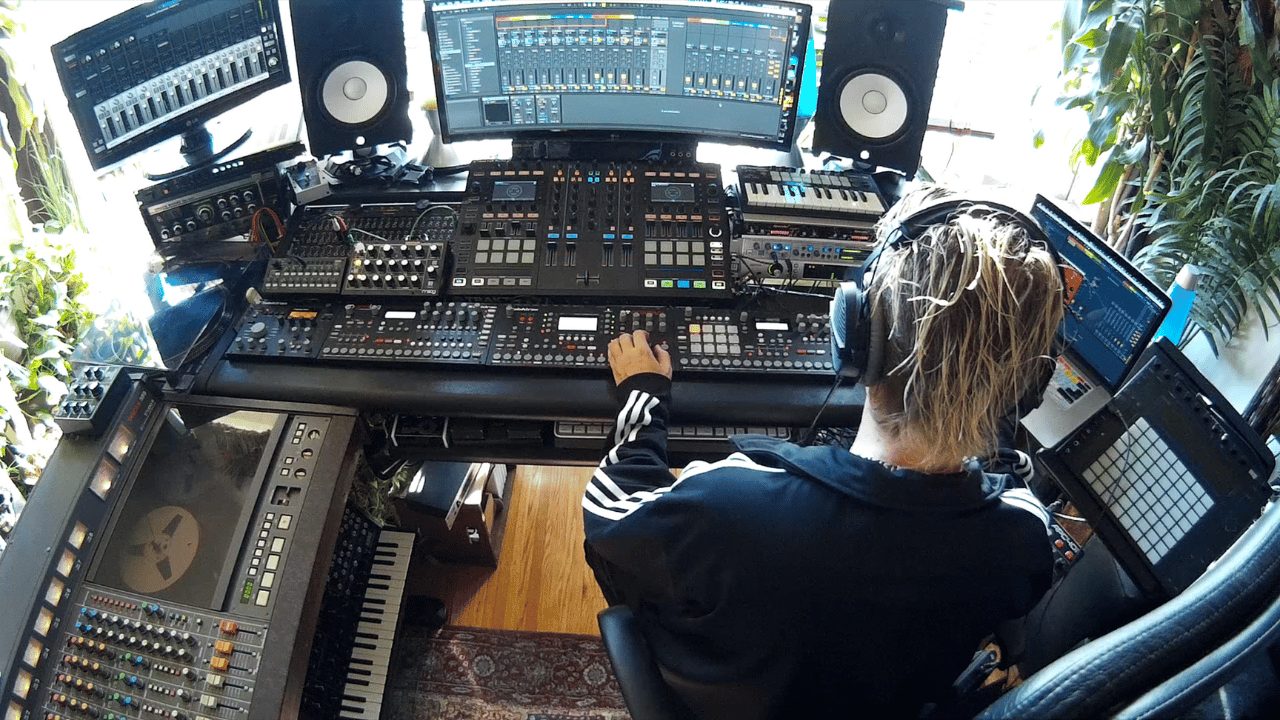
FIG. 02 — The home-studio user Monyx is built for: one browser tab instead of one subscription.
TABLE 3 · MUSIC SUITE — WORKFLOW COMPARISON
Job
Monyx Studio
Moises
LALAL.AI
Remove vocals from a song
FREE, unlimited · browser AI (MDX-Net KARA 2, on-device)
Limited free minutes, then subscription
Per-minute credit pricing
Karaoke: sing over isolated BGM
Built-in — upload, trim, isolate, sing with real-time echo cancellation, merge vocal + BGM
Separation + playback only
Separation only
Multitrack DAW (timeline, FX rack, mixer)
INCLUDED
NO
NO
Play & record instrument pads
Piano, guitar, drums, bass, pads
NO
NO
Turn audio + images into MP4
Video maker w/ text overlays & fades
NO
NO
Signup / watermark
NONE / NONE
Account for full use
Account for full use
Processing location
Browser, on-device whenever possible
Server-side
Server-side
Verdict
Monyx is not competing on separation quality per se — it's competing on the whole job. The incumbents sell one step (stems); Monyx gives you the pipeline: strip vocals, trim the section, sing with echo cancellation so your mic doesn't fight the speakers, merge your take with the instrumental, then finish in the DAW or export a video with the result. For a content creator cutting karaoke covers, that's four paid tools collapsed into one free tab.
Honest limit: if you need maximum-fidelity stem separation for professional mastering, server-side dedicated services with bigger models can still edge out browser-based MDX-Net. For karaoke, covers and practice, the difference is inaudible in context — and the price difference is infinite.
An AI song with real vocals, generated from a name and an occasion. Suno sells this as a subscription ($10/month tier for full commercial freedom); Gaana Banana sells it as a per-song commodity: ₹28 for one complete song, about ₹175 for ten — generated with Google's Lyria music model, delivered in one to two minutes as an MP3 with WhatsApp-share-ready output. No subscription to forget about, no desktop app, UPI checkout built in.
Gaana Banana
Challenger · gaana.namansoni.in
₹28 / SONG · pay-per-song · UPI
VS
Suno
Incumbent · subscription song AI
Free tier with caps · ~$10/mo for real use
TABLE 4 · PERSONALIZED SONGS — PRICING & WORKFLOW
Dimension
Gaana Banana
Suno
Cost of one finished song
₹28 (1 credit) · ₹45 for 2 · ₹175 for 10
Free tier caps; ~$10/mo subscription for steady use
12-digit key in browser cookie, transferable via Settings
Tied to account
Verdict
For the Indian occasion-gift use case — "bhai ka birthday, ek funny gaana bana do" — Gaana Banana wins on arithmetic. One song costs less than a masala chai at a nice café, paid over UPI, with 12 ready occasion themes and a step-by-step Hindi guide (gaana kaise banaye) that walks the whole flow. If you're making two songs a year, a ₹28 one-shot beats a $10/month subscription by roughly 43×.
Where Suno wins: you're producing songs weekly, want commercial-use licensing, or need English-first prompt control and genre depth. Gaana Banana is an occasion tool; Suno is a production tool. Different jobs, different math. Prices verified on Gaana's pricing page and FAQ on 21 Oct 2026.
AI companionship went corporate: Replika moved its best features behind a paid tier and Character.AI is account-first with censored defaults. Talk enters from a completely different angle — guest-first (type a name and start), no OTP, 300 free credits daily with a free account (~50 messages), Hinglish by default with a pure-English mode, live voice calls with Indian voices, and a 4-tier memory system so companions actually remember what you told them weeks ago. Plus five interactive chat-fiction stories where your choices move trust meters and decide the ending.
4-tier system: rolling summaries, hard facts, event log, semantic recall
Voice
Live AI voice calls — streaming TTS, barge-in, Hindi-English code-switching STT, Indian voices, call memory
Stories
5 interactive chat-fiction worlds: My First Day in College (50-day), Kokuhaku Club (anime rom-com), Last Show First Row (all-adult cast), The Anniversary Heist, Love All (28-day badminton romance)
Price
FREE 300 credits/day ≈ 50 msgs · packs from ₹29 · unlimited plans skip metering · Spicy 18+ one-time unlock from ₹9, off by default, consent-first
Signup
GUEST-FIRST — no OTP, claim a username later · PWA installable
THE INCUMBENTS — SPEC SHEET
Replika
The OG companion app; emotional continuity done well, but core features (voice calls, romantic modes) rotate behind the Pro subscription; primarily English-first personas
Character.AI
Huge character catalog and strong model quality; account-first, heavy queue/paywall pressure for the best models, conversations less persistent by design
Hinglish
Neither ships a Hinglish-first default with Indian voices — the exact gap Talk was built to fill
Price
Replika Pro and c.ai+ both land around the same monthly USD tier as they list on their pricing pages
TABLE 5 · COMPANION APPS — EXPERIENCE COMPARISON
Dimension
Talk
Replika
Character.AI
Start chatting without signup
YES — type a name
NO — account first
NO — account first
Free daily message allowance
300 credits/day (free account) ≈ 50 messages
Limited free tier
Capped free usage
Hinglish default + English mode
BUILT-IN
NO
NO
Voice calls with Indian voices
YES (streaming, barge-in)
Pro-tier voice
Limited / premium voice
Persistent companion memory
4-tier, weeks-long recall
YES — its strength
Partial
Interactive stories (chat fiction)
5 worlds w/ trust meters + endings
NO
Scenarios, not scripted worlds
Adult layer
Opt-in 18+ Spicy Mode, one-time from ₹9, off by default, personality-true
Restrictive / tier-dependent
NO
Verdict
Talk wins for the Indian user the incumbents keep failing: Hinglish-native, no-OTP start, daily free messages that survive more than a coffee break, and voice calls that code-switch between Hindi and English the way actual people in Mumbai do. The 4-tier memory — summaries, hard facts, event log, semantic recall — is a genuine technical differentiator, and the five stories give it a second product inside the first.
Where incumbents win: Replika's long-term emotional scaffolding is more mature as a "one companion" product, and Character.AI's model breadth and character catalog are unmatched. If you want English-only anime roleplay with 100,000 characters, c.ai is still the bigger pond. Talk is the focused, desi-first alternative — and the only one where the midnight RJ grades your flirt lines out of ten.
AI app-builders share one business model: subscription. Cursor starts around $20/month for real use, v0 and Bolt sit on metered or subscription tiers. NewEra is the odd one out — free, no login, no credit card — and it doesn't preview your app in a sandbox; it writes the files, pushes to a real GitHub repository, runs a real CI build on GitHub Actions (4 vCPU / 16 GB runners), reads its own failure logs, fixes them, and deploys the green build to Cloudflare Pages with EdgeOne as fallback. You watch every stage and end with a live URL.
NewEra
Challenger · newera.namansoni.in
FREE · no login · real CI deploys
VS
Cursor / v0 / Bolt
Incumbents · AI dev tools
Metered trials · ~$20/mo entry
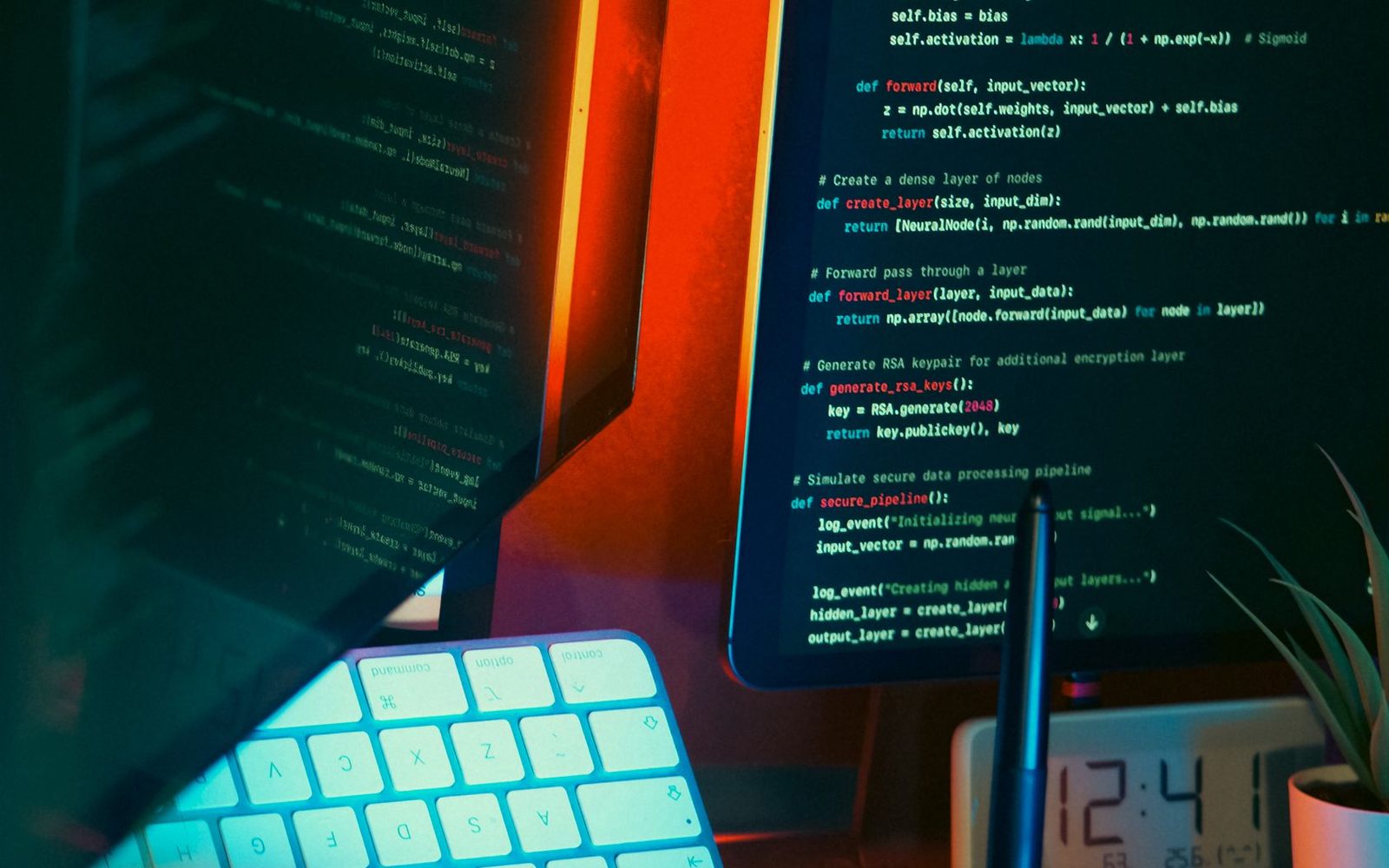
FIG. 03 — The NewEra pitch in one frame: describe it, watch it build, get a URL — no license key involved.
TABLE 6 · AI APP BUILDERS — PIPELINE COMPARISON
Dimension
NewEra
Cursor
v0 / Bolt
Entry price
$0 — no login, no card
~$20/mo for steady use
Tiered subscriptions
Output artifact
Deployed live app on Cloudflare Pages (EdgeOne fallback) + your GitHub repo
Repos created only with explicit consent; self-clean repos auto-delete
Local-first
Server-side
Verdict
NewEra's differentiator is the endpoint, not the model. Subscription builders stop at generated code or a platform preview. NewEra finishes the sentence: plan → code → push → CI → read logs → fix → deploy → live URL. The fact that it's free with no login makes it the best zero-risk way to ship a first real app — and the 12-hour build budget with 4 parallel sub-agents means it can attempt projects the "generate me a landing page" tools won't.
Where the incumbents win: Cursor is a professional daily-driver IDE with deep codebase context — for maintaining a 200k-line monorepo, it's unmatched. v0/Bolt give designers tighter visual iteration loops. NewEra is the pipeline for getting something real deployed when you don't own tooling yet. Also worth knowing: the same creator ships Pi Browser Agent for client-side agent work — next battle.
IN-BROWSER CODING AGENTSPi Browser Agent vs Replit Agent
Cloud coding agents run on someone else's meter. Pi Browser Agent takes the opposite bet: the real Pi coding agent, running entirely client-side in a WebAssembly sandbox in your browser tab, spending your own Pollen on Pollinations models — connect your account, pick a model, and build. A WISP network tunnel handles live networking, and because the agent's compute is your tab, there's no platform seat to buy.
Pi Browser Agent
Challenger · pi-browser-agent.namansoni.in
FREE platform · BYO Pollen
VS
Replit Agent
Incumbent · cloud agent
Credits/checkpoints · paid tiers for real use
TABLE 7 · CODING AGENTS — WHERE THE AGENT RUNS
Dimension
Pi Browser Agent
Replit Agent
Agent execution location
Your browser — WebAssembly sandbox
Replit's cloud VMs
Model spend
Your own Pollen on Pollinations — you see exactly what you spend
Bundled into platform credits/pricing
Platform fee
$0
Subscription + credit consumption
Networking
WISP network tunnel from the sandbox
Native cloud networking
Model choice
Pick any available Pollinations model
Platform-selected models
Ecosystem depth
Lean, agent-focused
Full IDE, DB, hosting, collab — its superpower
Verdict
Pi Browser Agent is the transparency play. When the agent runs in your tab on your own Pollen balance, there's no mystery platform meter — the cost model is as legible as your own wallet. The WASM sandbox doing real coding-agent work (with a network tunnel!) is technically the most interesting thing in this whole guide.
Where Replit wins: it's an entire development country — IDE, database, hosting, real-time collaboration. Pi is a knife; Replit is a kitchen. If you need the kitchen, you already know.
TWO-FACTOR AUTHENTICATION2FA Authenticator vs Google Authenticator & Authy
The paradox of authenticator apps: your 2FA codes live on the one device most likely to be lost, broken or left at home. Google Authenticator historically had no sync; Authy requires a phone number and a desktop app being sunset. 2FA Authenticator is browser-first: add TOTP/HOTP setup keys, generate codes instantly on desktop or mobile, and choose — keep them on your device or sync them to your encrypted account. No phone number, no desktop client to install, free.
2FA Authenticator
Challenger · 2fa.namansoni.in
FREE · browser · encrypted sync
VS
Google Auth / Authy
Incumbents · native apps
FREE · phone-first
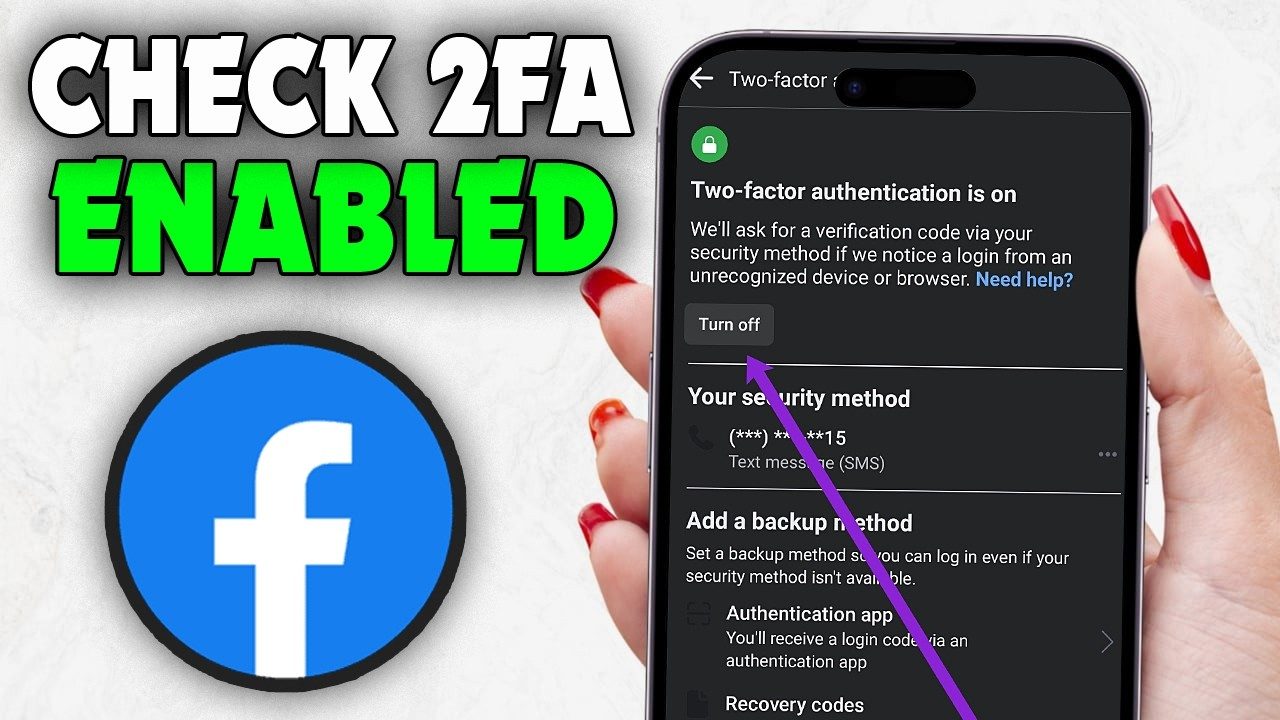
FIG. 04 — The moment of need: the code is on the phone, and the phone is in the other room.
TABLE 8 · AUTHENTICATORS — ACCESS MODEL COMPARISON
Dimension
2FA Authenticator
Google Authenticator
Authy
Generate codes on desktop browser
YES — native
Phone app (QR-paired)
Desktop app being retired
Protocol support
TOTP + HOTP
TOTP
TOTP
Data location choice
On-device OR encrypted account sync
Google account sync (opt-in)
Encrypted cloud + phone number identity
Phone number required
NO
NO
YES
Install requirement
NONE — tab is enough (PWA optional)
App store
App store
Backup codes
Supported workflow
Manual
Encrypted backups
Price
$0
$0
$0
Verdict
This battle is about where your codes live, and 2FA Authenticator gives you the only real choice. On-device only, or encrypted sync to an account — you pick, and either way a browser tab is a valid home. For the army of people whose work lives on a laptop, copying a 6-digit code from a phone-to-keyboard is the last 1990s ritual left in security; this kills it.
Where incumbents win: Google Authenticator is pre-installed muscle memory, and hardware keys (YubiKey etc.) beat all software for high-value accounts. A browser authenticator trades physical possession for availability — know that trade before you commit your most important logins. If you want the full walkthrough, see our dedicated free TOTP 2FA guide from this ecosystem's earlier mega page.
Linktree made one page per person a business: free tier with platform branding, paid tiers for analytics and customization. Links is the open counter-position — free, no ads, no trackers, no analytics, one fast page per person at links.namansoni.in/<username>, plus something Linktree doesn't have at all: embeddable self-contained SVG widget cards for GitHub READMEs, portfolios and docs, served from a public SVG API.
Links
Challenger · links.namansoni.in
FREE · no ads · SVG API
VS
Linktree
Incumbent · link-in-bio SaaS
Free w/ branding · PRO $ tiers
LINKS — SPEC SHEET■ OPEN
Profile
One page per username: links, mini descriptions, contacts, profile photo
Widgets
Self-contained SVG cards — embed in Markdown/READMEs via /api/embed/<slug>
SVG API
Width/height clamped 120–4096px, never distorted, cache-busting v param, CDN-cached a day — custom resolutions free after first hit
Widget builder
Visual editor + an AI interview protocol: an assistant asks 2–4 questions, emits a JSON spec, you import it as a finished widget
Blocks
Up to 5 animated text lines (incl. character-by-character typing), live sites list (favicons + descriptions, cap 10), contacts (cap 6), 8 font families, animations fade/rise/pop/float/pulse
Stance
NO ADS · NO TRACKERS · NO ANALYTICS · widgets kept out of search indexes
LINKTREE — SPEC SHEET
Profile
The category-defining link page; polished, ubiquitous, instantly recognized
Embeds
No embeddable SVG card API — the page is the product, not a composable asset
Rich click analytics on paid tiers — its superpower (Links deliberately ships none)
Verdict bias
Great if you want a recognized URL; less great if you want zero trackers on your audience
Verdict
Two different products shaped like the same thing. If you need click analytics and a brand people recognize instantly, Linktree is fine and the free tier is honest about what it is. But Links' SVG widget API is genuinely novel — a profile page that decomposes into embeddable, animated, resolution-clamped cards for READMEs and docs, with an AI-assisted builder, on infrastructure that costs nothing and tracks nobody.
The developer lean: if your home base is a GitHub profile rather than an Instagram bio, the widget API alone decides this battle.
khata.namansoni.in has returned a 404 (Vercel DEPLOYMENT_NOT_FOUND) since 20 Oct 2026. Everything below is from its 18 Oct verified snapshot — the live app's own title, description and feature list, captured directly. Treat this battle as a preview of the design, and check the URL before relying on any of it.
Expense trackers mostly assume you'll type. Khata's premise was voice-first logging for the way India actually speaks: log transactions by chat or voice, in English, Hindi or any Hinglish mix — "doodh ka 60, auto ka 40" — into a free, private, minimal PWA you install like an app. Expenses, accounts, investments and reminders in one ledger, no spreadsheet ceremony.
Khata
Challenger · khata.namansoni.in (down 20–21 Oct)
FREE · chat/voice logging
VS
Walnut / money managers
Incumbents · SMS-reading trackers
FREE · bank-linked $ tiers
TABLE 9 · MONEY TRACKING — INPUT MODEL (KHATA FACTS FROM 18 OCT SNAPSHOT)
Dimension
Khata
SMS/bank-linked trackers
How you log ₹60 milk
Say it or type it — Hinglish chat
Auto-read SMS (cash invisible)
Reads your SMS inbox
NO — you log, it remembers
YES — core mechanism
Bank account linking
NOT REQUIRED
Encouraged, then paywalled insights
Install model
PWA — install to home screen, no store
Native store apps
Tracks
Expenses, accounts, investments, reminders
Deep auto-categorized spend
Privacy stance
Private, minimal, no SMS access
Inbox + bank credentials on servers
Verdict
Design verdict (pending the redeploy): the input model is the differentiator. Cash-heavy Indian households — kirana, sabzi, autos, help at home — don't generate neat bank SMS trails. An expense tracker that understands "chai 20, credit" by voice, keeps a proper digital khata, and demands neither SMS access nor bank passwords is aimed precisely at the population bank-linked apps quietly ignore. When the deployment is back, this is the first thing worth re-verifying.
Where incumbents win: fully-card, urban, salary-account lifestyles get better automation from SMS-reading trackers — if they accept the privacy trade. Khata was always the complement for the cash-and-voice half of the economy. The earlier digital khata ledger guide from this ecosystem covers the full workflow.
BREAK-TIME / FUNDance Cat 3D, Chess & Spot the AI vs paid time-killers
Not every tab has to be productive. This ecosystem's fun corner is three tools with one shared design rule — zero servers, zero accounts, zero uploads: Dance Cat 3D, an audio-reactive music visualizer where a fully procedural 3D cat dances in perfect beat sync (real-time Web Audio FFT, offline BPM detection, spectral-flux kick analysis — no AI, your MP3 never leaves the tab); Chess, a clean human-vs-bot board with move history, promotion and play settings; and Spot the AI, an open-source timed game of real-vs-AI matched images and pairs.
DANCE CAT 3D — SPEC SHEET■ NO UPLOADS
Input
Drop any MP3 — stays in your browser, never uploaded
Analysis
Offline BPM detection + spectral-flux kick detection, Web Audio FFT
Visual
Fully procedural 3D cat, beat-synced, no AI inference at all
Price
FREE · no account
CHESS + SPOT THE AI — SPEC SHEET
Chess
Human vs bot · game status · play settings · move history · pawn promotion — a board, an opponent, nothing to configure
Spot the AI
Timed rounds: two matched images or palettes, pick which is real — open-source on GitHub, plays in a tab
Shared rule
NO ACCOUNT · NO STORE · NO PAYWALL
FIG. 05 — The signal Dance Cat 3D actually analyzes: FFT frames → BPM → kicks → choreography, all client-side.
Dance Cat 3D might be the purest demo of browser power in this entire guide — a full DSP pipeline (FFT, BPM, spectral-flux) driving a procedural 3D character, with the explicit promise "no AI, no uploads, no server." Drop the same MP3 into a cloud visualizer and you've mailed someone your music to do less with it. Chess and Spot the AI round out a break-time trio that respects both your attention and your data.
Where the giants win: chess.com's rated pool, lessons and matchmaking are a genuine sport infrastructure — a casual bot game doesn't replace it, and doesn't try to.
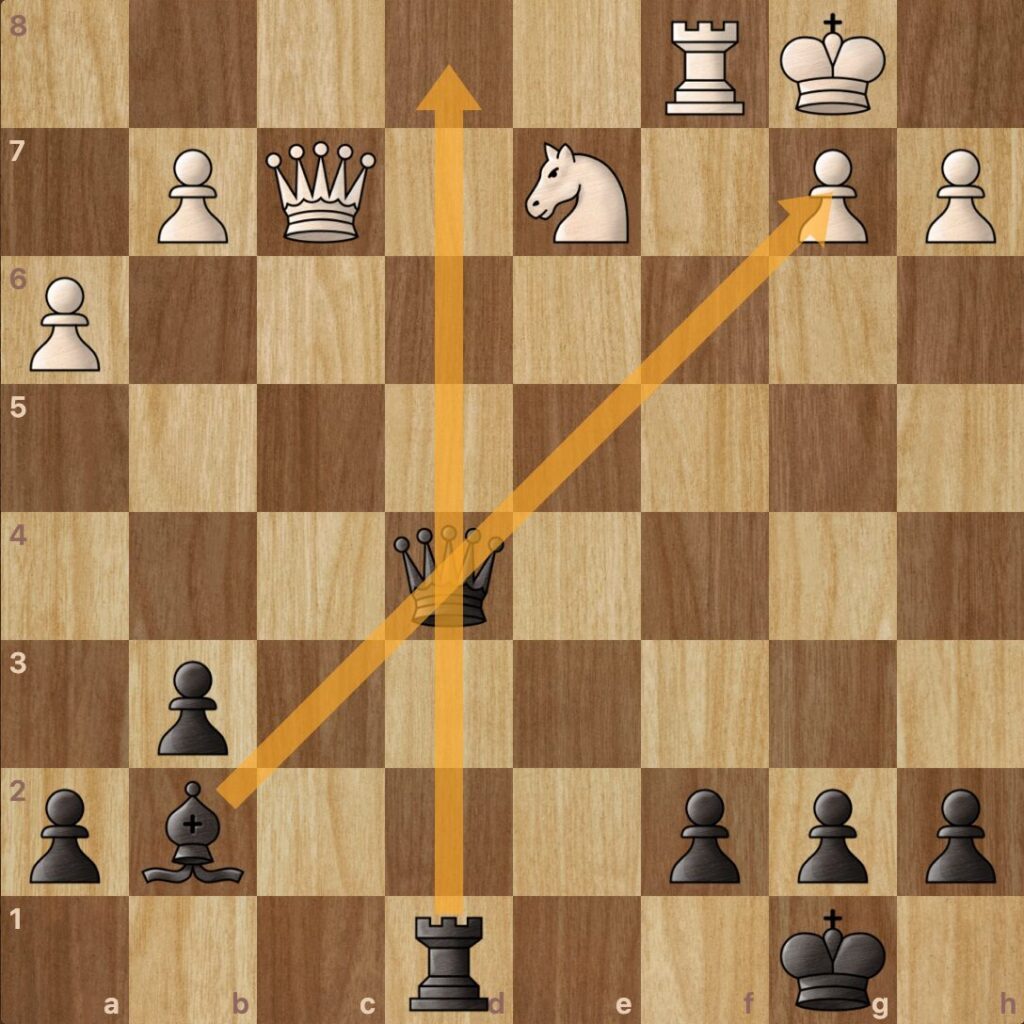
FIG. 06 — The whole job of a casual chess tab: a clean board, a decent bot, no rating anxiety.
THE UTILITY DRAWERLND AI's 30+ Tools vs the Paid à-la-carte Stack
The strangest economics in this whole comparison are at namansoni.in — LND AI, a suite of 30+ AI tools and browser utilities under one roof, each with its own URL and a long-form guide in a 43-article learn hub. Free daily credits that refresh automatically at midnight IST, no signup required to start, and a More Tools drawer of 20+ utilities that never touch credits at all. The incumbent alternative isn't one product — it's a shopping cart: one subscription for TTS, another for translation, another for stock images, another for OCR.
TABLE 11 · THE À-LA-CARTE STACK vs ONE FREE SUITE
Job
LND AI tool (URL)
The paid way
Text-to-image
/text-to-image — 12 art styles, 9 sizes, 1–4 per batch, seed control, multiple engines, full-res JPG
/learn — 43 long-form guides, one per tool, with honest limitations & FAQs
YouTube ads, mostly
Verdict
LND AI's model is unusual enough to state plainly: the AI tools cost daily credits that reset free every night (midnight IST) — amounts are configurable so this guide won't quote them — the More Tools utilities are always completely free and never use credits, a free optional account (username + password only) raises your daily refresh, failed generations are never charged, and credit packs via UPI exist at /pricing for heavy days. Compare that to the à-la-carte stack above, where each row is a separate subscription metering the same handful of daily tasks.
Where the paid stack wins: raw frontier quality on any single axis — a dedicated TTS lab, a dedicated diffusion service, or enterprise translation SLAs will each beat a generalist suite at their one specialty, and should. LND AI's pitch is the other one: one URL, thirty doors, zero shopping.
Skip the battles — start from the job. Twelve everyday tasks, and the tool that does each one with the least friction, the least cost, and the least data leaving your device.
Rolling the eleven battles up into one final tally. Two things to notice: every single tool scores 5/5 on entry price or on-device privacy (that's the design constraint of the whole ecosystem), and the weakest column across the board is ceiling — the honest cost of free-first software. These scores are editorial judgments from the spec rows above, not lab measurements.
TABLE 13 · FINAL SCOREBOARD (EDITORIAL, FROM VERIFIED SPECS)
Tool
Price
Friction
Privacy
Ceiling
Best-in-class edge
Onyx
5.0
5.0
5.0
3.5
Only 100%-on-device editor with 18 convert/preset pages
Monyx
5.0
5.0
4.5
4.0
Separation + karaoke + DAW in one free tab
Gaana Banana
5.0
4.0
4.0
3.0
₹28-per-song economics with UPI
Talk
5.0
5.0
4.0
3.5
Hinglish + 4-tier memory + Indian voice calls
NewEra
5.0
5.0
4.5
4.5
Free idea→CI→deploy pipeline with live URL
Pi Browser Agent
4.5
4.0
5.0
2.5
Coding agent fully inside a WASM sandbox
2FA Authenticator
5.0
5.0
4.5
3.0
Codes in a tab; device-or-encrypted-sync choice
Links
5.0
4.0
5.0
3.5
Zero-tracker bio pages + SVG embed API
Khata ↓
5.0
4.5
4.5
3.0
Voice/Hinglish logging for cash India
Dance Cat 3D
5.0
5.0
5.0
3.0
Full DSP pipeline, no AI, no uploads
Chess
5.0
5.0
5.0
2.5
The quietest chess tab on the internet
3Dfy
5.0
4.0
4.0
3.0
Make-3D workflows and 3D worlds in-browser
Spot the AI
5.0
5.0
5.0
2.5
Open-source real-vs-AI training for your eye
LND AI suite
5.0
4.5
4.0
3.5
30+ tools + 43 guides on daily-refreshing credits
3Dfy's scores lean on its public routes and homepage; its fact file for crawlers wasn't published at check time, so it gets the benefit of the doubt rather than the benefit of verified depth. Khata's scores inherit the down-status caveat from Battle 10.
15
Three Field Guides
Comparison tables tell you what to pick; these get you through the first run how. Each guide is written from the tools' own published workflows.
AShip your first deployed app with NewEra
Open newera.namansoni.in — no login, no card. The landing page doubles as documentation: landing + FAQ + how-it-works on one page.
Click "New project" in the /agent workspace and describe the app in plain English. The agent researches live web docs before writing files.
Watch the pipeline: it pushes to a GitHub repo (created only with your explicit consent — self-clean repos auto-delete otherwise), then runs GitHub Actions CI on 4 vCPU / 16 GB runners, reading and fixing its own failure logs.
Collect the live URL — the green build deploys to Cloudflare Pages (EdgeOne as fallback). Up to 12 hours of VM build time and 4 parallel sub-agents if the project is ambitious.
Export as .newera to keep a portable copy of the whole project, any time.
Outcome: a deployed, versioned, CI-verified app — total spend ₹0. When you outgrow it, the same creator's Pi Browser Agent gives you a client-side agent on your own model spend.
BCut a karaoke track in Monyx Studio
Open monyx.namansoni.in and upload the song. No account, no watermark, no upload quota.
Trim to your section in the karaoke studio, then isolate the BGM — the browser-based vocal separation (MDX-Net KARA 2 architecture) strips the vocals locally.
Enable echo cancellation and sing — real-time acoustic echo cancellation means your mic records clean over the speakers, no headphone gymnastics required.
Merge your vocal with the instrumental, then finish levels in the multitrack DAW (timeline, FX rack, mixer) if you're feeling fancy.
Export audio — or make the video: the built-in video maker turns audio + images/clips into an MP4 with text overlays and fades.
Outcome: a share-ready karaoke cover. The paid equivalent: separation service + DAW subscription + video editor, three bills to zero.
CSet up 2FA without a phone (or on one)
Open 2fa.namansoni.in in any modern browser. Codes work on desktop or mobile; there's nothing to install.
Add a login using the site's TOTP/HOTP setup key (the string next to the QR code every service shows — most let you reveal it as text).
Choose your storage model: keep the codes on your device only, or create a free account to sync them encrypted across your browsers.
Save the backup codes each service shows at setup — those scratch codes are your way back in if a device dies.
Outcome: six-digit codes in a tab, next to the login form you're pasting them into. For the deep dive — including the encryption model and the "lost my phone" recovery paths — read the ecosystem's dedicated Free TOTP 2FA Guide.
16
FAQ — The Questions People Actually Ask
Q1Are these tools really free, or "free with an asterisk"?
Eleven of the fourteen cost exactly $0 with no usage metering at all. The exceptions have visible, honest models: LND AI's AI tools use daily credits that refresh free every night (its 20+ More Tools utilities never use credits at all), Gaana Banana sells a finished song for ₹28, and Talk sells convenience packs and an optional 18+ unlock on top of a genuinely usable daily free allowance. Nothing here auto-charges or asks for a card to try.
Q2Who builds all this, and can I trust one person's tools with my files?
All fourteen are built by Naman Soni (GitHub: NamanSoni78), an Indian indie developer — his profile is the only official source for these projects. For file trust, the architecture matters more than the headcount: Onyx, Dance Cat 3D and Monyx's separation process run in your browser, so your media physically cannot reach a server even if it wanted to.
Q3Which tools process data on my device vs on a server?
On-device: Onyx (all 13 tools), Dance Cat 3D (FFT/BPM/kicks), Monyx (MDX-Net separation), Pi Browser Agent (WASM sandbox), and 2FA in device-only mode, plus LND's browser TTS/STT engines. Server-side where heavy models live: LND's cloud AI tools, Talk's chat and voice, Gaana's Lyria generation, NewEra's CI builds. The Master Matrix (Table 1) marks this per tool.
Q4Why should I believe this comparison isn't just an ad for the ecosystem?
Three reasons. First, every incumbent gets its superpower named — Photopea for PSD work, Canva for team design, chess.com for rated play, Replit for ecosystem depth. Second, every weak score in Table 13 is visible, including the ecosystem-wide "ceiling" weakness. Third, the raw sources are public — each tool publishes its own sitemap and most publish llms.txt files, so you can re-verify any row in minutes. Start at https://namansoni.in/llms.txt.
Q5What happened to Khata? Is the whole ecosystem stable?
khata.namansoni.in has been returning a 404 (a Vercel deployment issue) since 20 Oct 2026 — one site of fourteen, flagged prominently in this guide rather than quietly omitted. The other thirteen verified live on 21 Oct 2026. The lesson of the incident is honest: check before you build a workflow on any free tool, including these.
Q6Do I ever need to install anything?
No. Every tool completes its core job in a plain browser tab. Optional installs are PWAs — Talk and 2FA can be added to a phone home screen, Khata was designed to be installed like an app — which is just a bookmark with superpowers, not a store download with update permissions.
Q7Is Talk's 18+ content automatic?
No — Spicy Mode is opt-in, one-time (from ₹9), off by default, and keeps each companion's personality rather than switching to a generic mode. The site states an all-adult cast for its adult-angled story, and the Gojo Satoru companion is explicitly fan-inspired and unofficial (not affiliated with Shueisha, Gege Akutami or MAPPA).
Q8How does Gaana Banana's pricing compare to a Suno subscription?
One finished song costs ₹28 (₹45 for two credits, ₹175 for ten) with vocals, own-lyrics support up to 800 characters and auto-refund on failed generations. If you make two occasion-songs a year, that's ₹56 versus roughly $240/year of subscription for the same output. If you produce weekly and need commercial licensing, the subscription math flips — Suno wins.
Q9What if I lose the 12-digit key holding my Gaana credits?
The key lives in your browser cookie and can be moved between devices via Settings — write it down somewhere safe when you buy credits. If a generation fails, the credit refunds automatically and instantly; anything else goes to help@namansoni.in. Refunds other than failed generations are handled case-by-case and aren't mandatory.
Q10Can I use these tools on a phone?
Yes — they're responsive web apps, and the privacy-critical ones (Onyx, Dance Cat) work in mobile browsers with local processing. Talk is explicitly built as an installable PWA for Android and iOS. The one exception worth knowing: Pi Browser Agent wants a real keyboard and a comfortable tab, like any coding agent.
Q11Will these pages rank on Google just because they exist?
Honest answer: no. This guide is submitted to indexing services, but Google crawls and ranks on its own schedule and its own quality judgment — being free doesn't grant a ranking, and new domains take weeks to months to prove themselves. What these pages can promise is accurate, verifiable content and zero dark patterns; what they can't promise is position #1, and anyone who promises that is selling something.